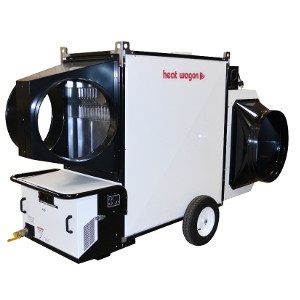
Heating a classroom to eliminate bed bugs is an effective and chemical-free treatment method, and is a commonly used method among pest control operators. Temperatures above 120 degrees Fahrenheit are required for an effective treatment, with preferred temperatures above 130 degrees Fahrenheit. When using heat to kill bed bugs in a classroom, precautions must be taken to avoid the potential problems that can accompany high temperatures. If using an electric heat technology, you may have to consider the available electrical load. For all bed bug heat treatments, fire suppression systems should be checked for temperature ratings, and sensitive items removed. Below are detailed steps for conducting a bed bug heat treatment in a classroom, along with safety considerations:
How to Heat a Classroom for Bed Bugs
1. Preparation
- Remove items that may be heat-sensitive, such as:
- Wax-based materials (crayons, candles)
- Fire Extinguishers
- Aerosol Cans
- Unplug Electronics
- Secure papers and separate clutter so heat can circulate freely.
- Seal the room:
- Close windows and doors, unless using a forced air propane bed bug heater
- Use temporary door sweeps, foam, or tape to reduce heat escape when using electric bed bug heaters
- Cover vents or ducts that could leak air. Vents could introduce colder air in the event the air conditioning in the building is turned on.
2. Equipment Setup
- Use commercial electric bed bug heaters or safety certified propane bed bug heaters
- High-Temperature air movers should be placed throughout the room, with a minimum of 1 air mover per 200 square feet. For optimal and faster heating, place 1 air mover per 100 sq. ft. Air movers ensure uniform heating throughout the space, especially under desks, in cubbies, or behind shelving.
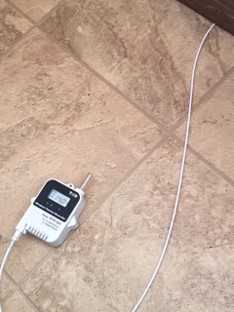
- Temperature monitors should be placed throughout the room, particularly in cold spots or shaded areas. If you have fire suppression devices such as heat sensors or sprinkler heads, place temperature monitors near them to help prevent accidental activations.
3. Heating Process
- Heat the classroom to 120°F to 140°F (49°C to 60°C). If you have fire suppression systems in your classrooms, we would encourage you to temporarily cover them or deactivate if possible. If not, verify the temperature ratings of your sprinkler heads and temperature sensors.
- Maintain target temperature for at least 3 hours, ensuring the core of all furniture and belongings reach lethal temps.
- Use infrared thermometers or temperature sensors to check temperatures carpet edges, under cove baseboards inside desk drawers, and cabinets. If using infrared thermometers, make sure that you place the thermometer in the room for 5 minutes before checking temps. Infrared thermometers need time to acclimate for better reading accuracy.
- Occasionally reposition your air movers to ensure the heated air is directed across all areas within the treatment area.
4. Post-Treatment
- Cool the room with ventilation by opening windows, and having fans nearby the windows to pull cooler air before re-entry.
- Inspect for any remaining live bugs. Also inspect items throughout the classroom, especially looking for warped materials or melted items that were overlooked.
- Vacuum to remove dead bugs and eggs.
Safety Considerations
Fire Safety
- Only use UL, CSA, or ETL-listed heaters and follow the manufacturer’s spacing requirements (usually 12–36 inches from combustibles).
- If placing alarm systems on test, or covering sprinkler heads, frequently check the heated area for any signs of compromised sprinkler heads or signs of equipment failure that may lead to fire or water damage.
- Make sure your extension cords are rated for the heater’s load. Having too small of a cord could result in overheating and fire.
- Do not leave heaters unattended during the ramp-up phase or until the room is at a stable temp, and materials have been observed to withstand the elevated temperatures.
Electrical Load
- Ensure the area’s electrical panel and circuits can handle the heater’s draw. Gas heaters typically don’t use more than a 15 amp circuit, but electric heaters can go as high as 50 amps, and could also collectively stress the main breaker on a panel or subpanel.
- Distribute power across multiple circuits to avoid overloading and tripping breakers.
Structural and Material Safety
- Watch for:
- Sprinkler systems (many are set to activate at 135–165°F)
- Heat-sensitive ceiling tiles or plastic wall decor
- Pre-check with school facilities/maintenance before treatment.
Occupant Health & Access
- Post clear signage: “HEAT TREATMENT IN PROGRESS – DO NOT ENTER”
- Keep all students, staff, and animals out of the treatment area until temperatures return to below 80 degrees Fahrenheit.
- Document your process and communicate all procedures to staff that participate in the treatment, whether directly or indirectly.
Bed Bug Heat Machines Recommended for Classrooms
- Sleeptight 400 Bed Bug Heater– compact CSA certified indoor propane bed bug heater with carbon monoxide detector, treats up to 25×20 classrooms
- Sleeptight 800 Bed Bug Heater– CSA certified indoor propane bed bug heater with carbon monoxide detector, treats up to 30×26 classrooms
- TKO 170 – CSA certified heater that can sit in hallways or outside and duct into the classroom. Capable of treating 40×30 classrooms